

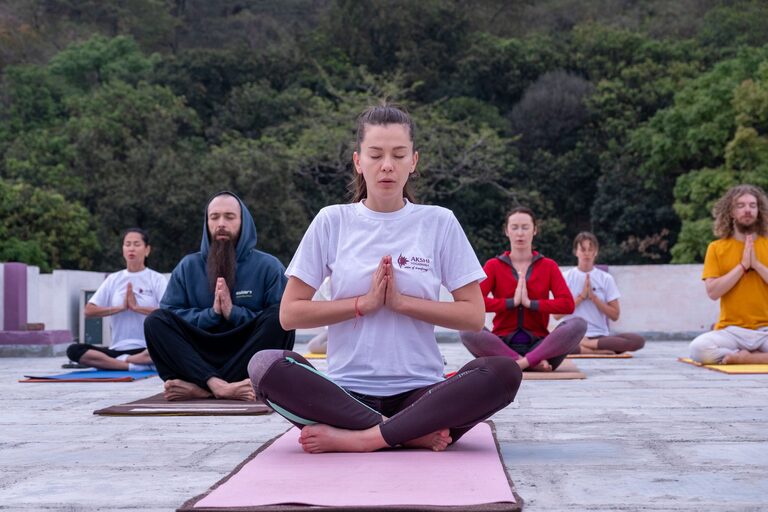
Mindfulness is a simple yet powerful way to bring more peace and clarity into your daily life. It means paying full attention to the present moment without judgment. Practicing mindfulness regularly can help lower stress, improve concentration, and increase your sense of calm.
If you are new to mindfulness or looking for easy ways to incorporate it into your routine, this post offers simple practices you can try anytime, anywhere.
What Is Mindfulness?
Mindfulness involves being fully aware of what’s happening right now—in your thoughts, feelings, body sensations, and surroundings. Instead of getting caught up in worries about the past or future, mindfulness invites you to experience life as it unfolds.
You don’t need special equipment or training to practice. It can take just a few seconds or a few minutes. The goal is to connect with the present moment gently and openly.
Benefits of Mindfulness
– Reduces stress and anxiety: Mindfulness can calm the nervous system and help you respond to challenges more clearly.
– Improves focus and productivity: By training your attention, mindfulness sharpens your ability to concentrate on tasks.
– Enhances emotional well-being: It encourages a more balanced, compassionate way of relating to your feelings.
– Supports better sleep: Mindfulness can ease racing thoughts and promote relaxation before bedtime.
– Promotes physical health: Studies suggest mindfulness may lower blood pressure and improve immune function.
Simple Mindfulness Practices for Daily Life
Here are some easy mindfulness exercises to add to your day:
1. Mindful Breathing
This is one of the quickest ways to connect with the present moment.
– Find a comfortable sitting position.
– Close your eyes if you like.
– Focus your attention on your breath as it moves in and out.
– Notice the sensation of air entering your nose and leaving your mouth, or your belly rising and falling.
– When your mind wanders (which is normal), gently bring your focus back to your breath.
– Start with 1–2 minutes, then gradually increase the time.
2. Mindful Eating
Eating mindfully helps you enjoy your food more and can improve digestion.
– Before you eat, take a moment to look at your food and notice its colors, shapes, and smells.
– Eat slowly and without distractions like phones or TV.
– Take small bites and chew thoroughly.
– Pay attention to the taste and texture of each bite.
– Notice how your body feels as you eat—are you full, satisfied, or still hungry?
3. Body Scan
A body scan helps you tune into physical sensations and release tension.
– Lie down or sit comfortably.
– Close your eyes and take a few deep breaths.
– Slowly bring your attention to each part of your body, starting at your toes and moving up to your head.
– Notice any sensations, such as warmth, tightness, or tingling.
– If you find areas of tension, imagine breathing into that space and releasing it with each exhale.
4. Mindful Walking
Turn an everyday walk into a mindfulness practice.
– Walk at a natural pace in a quiet place.
– Focus on the sensations of your feet touching the ground.
– Notice the rhythm of your steps and how your body moves.
– Be aware of your surroundings—the sounds, smells, and sights—as if you are seeing them for the first time.
– If your mind drifts, gently guide your attention back to the act of walking.
5. Five Senses Exercise
This quick grounding technique helps you stay present anytime.
– Pause and notice five things you can see.
– Notice four things you can touch.
– Notice three things you can hear.
– Notice two things you can smell.
– Notice one thing you can taste.
– Take your time with each sense, really experiencing the details.
Tips for Building a Mindfulness Habit
– Start small: Even a few minutes a day can make a difference.
– Choose a regular time: Try practicing in the morning, during breaks, or before bed.
– Use reminders: Set alarms or notes to prompt you to pause and breathe.
– Be patient: Mindfulness is a skill that develops with practice.
– Be kind to yourself: It’s normal for your mind to wander—gently bring it back without judgment.
Mindfulness Apps and Resources
If you want guidance, many apps offer free or paid mindfulness sessions, such as:
– Headspace
– Calm
– Insight Timer
You can also find guided meditations on YouTube or listen to mindfulness podcasts.
Conclusion
Mindfulness doesn’t require hours of meditation or special equipment. By simply paying more attention to your breath, your body, and your surroundings, you can bring greater calm and focus into daily life. Try these simple practices and see how they fit into your routine. Over time, mindfulness can become a supportive tool for well-being and a source of joy in ordinary moments.